

Beers are one of the world’s oldest and most beloved beverages. It holds a rich history dating back thousands of years. Its popularity spans continents and cultures, and the allure lies not just in its taste but in the intricate alchemy of ingredients that transform simple raw materials into a beverage. In this exploration, we delve into the question, “What is beer made of?” and uncover the fascinating journey from barley to brew.

Key Takeaways:
- The magic of beer lies in the intricate blend of ingredients that transform simple raw materials into a universally enjoyed beverage.
- The important main ingredients of beer are barley, hops, yeast, and water.
- The brewing process of a beer involves malting barley, adding hops to the brewing kettle, fermenting with yeast, and combining the ingredients in a carefully orchestrated process.
Beer stands as a universal beverage, enjoyed by millions worldwide. Its cultural significance, social role, and diverse array of styles contribute to its enduring popularity. Behind the refreshing taste of beer lies a complex blend of ingredients. The journey from barley to brew involves a meticulous process, each step contributing to the final, delightful outcome.
What is Beer Made of? The Foundation: Barley

1. The Role of Barley in Beer Production
At the heart of beer lies barley, a versatile grain that serves as the foundation for many brews. Barley’s unique properties make the grain an ideal canvas for the brewing process, contributing to both the flavor and mouthfeel of the final product.
2. Malting Process: Turning Barley into Malt
Before barley can work its magic, it undergoes a transformative malting process. In the malting process, barley undergoes a transformative journey, soaking in water to initiate germination and unlocking essential enzymes. This crucial step turns barley into malt, the foundation for the rich flavors in brewing.
3. Varieties of Barley Used in Brewing
Not all barleys are created equal. From pale malts to chocolate malts, the diversity in barley selection plays a pivotal role in the flavor profile of different beer styles.
Also read: Different Types of Beer for You to Know Today
Hops: Adding Flavor and Aroma
1. Hops and Their Purpose
Hops, the botanical stars in beer-making, not only impart bitterness but also infuse aromatic complexity, striking a harmonious balance with the malt’s sweetness and defining the beer’s overall flavor profile. They play a crucial dual role in enhancing taste and aroma.
2. Different Hop Varieties and Their Characteristics
Not all hops are created equal. They come in diverse varieties ranging from citrusy and floral to piney and spicy. Brewers skillfully harness these distinct characteristics to create a wide array of beer styles, adding unique flavors and aromas to their brews.
3. How Hops Contribute to Bitterness and Aroma in Beer
The dual role of hops in beer contributes to bitterness through alpha acids and aroma through essential oils. Brewers skillfully balance these elements to craft a beer that offers a harmonious and enjoyable drinking experience.
The Yeast Factor

The Vital Role of Yeast in Fermentation
Yeast transforms sugars into alcohol and carbon dioxide during fermentation, imparting distinctive flavors and aromas to the final brew through diverse yeast strains. In this crucial process, the microscopic fungus elevates beer from a mere beverage to a symphony of nuanced tastes.
In brewing, various yeast strains, such as ale and lager yeasts, contribute distinct flavors to beer. The choice of yeast plays a crucial role in defining the unique characteristics and styles of different brews.
Water: The Unsung Hero

In the dance of grains and hops, water silently shapes beer’s essence. Its composition influences taste, mouthfeel, and clarity, marking water as a crucial yet often underestimated brewing ingredient.
The quality of water directly influences beer taste, with brewers adjusting water composition to achieve distinct characteristics in various beer styles, highlighting the crucial role water plays in crafting the perfect brew.
Also read: Sour Beer Explained: Everything You Need to Know About Sour Beers
Bringing it All Together: The Brewing Process
Step into the heart of the brewery, where the alchemy of beer-making takes center stage. In a symphony of ingredients, barley, hops, yeast, and water unite in the brewing kettle, setting the stage for the transformative process that will unfold.
The journey begins with barley, the sturdy grain that serves as the soul of the beer. Malted barley, having undergone the intricate malting process, arrives ready to bestow its rich flavors and sugars. As it cascades into the brewing kettle, it brings a symphony of maltiness that lays the foundation for the brew.
Next in line are the hops, which are the botanical virtuosos of the beer orchestra. Carefully selected hop varieties join the dance, their aromatic cones releasing a burst of scents that will later define the beer’s aroma. Hops not only contribute bitterness to counterbalance the sweetness of the malt but also infuse the brew with a bouquet of floral, citrus, or spicy notes.
Enter yeast, the invisible maestro orchestrating the fermentation performance. With a flourish, yeast transforms sugars into alcohol and carbon dioxide, adding depth and complexity to the beer. The yeast strain becomes paramount, each contributing its own harmonies of flavors, from fruity esters to subtle spice notes.
And finally, water, the silent partner in this ballet of ingredients. Quality water, often overlooked but indispensable, plays a crucial role in shaping the beer’s taste, mouthfeel, and overall character. It interacts with the malt, hops, and yeast to craft a balanced and well-rounded brew.
As these elements coalesce in the brewing kettle, a magical transformation occurs. The brewer carefully oversees the process, ensuring that each ingredient plays its part, creating a harmonious balance that defines the very essence of the brewer’s art.
Exploring Specialty Ingredients

In the world of brewing, creativity knows no bounds. Beyond the fundamental quartet of barley, hops, yeast, and water, brewers delve into an expansive palette made from additional ingredients, elevating their beers to new heights.
Craft brewers are alchemists, constantly experimenting with unique additions. From exotic fruits and spices to coffee and chocolate, these bold experiments redefine the boundaries of flavor, offering beer enthusiasts a sensory adventure with each sip.
The Art of Beer Tasting
How the Ingredients Influence the Tasting Experience
The tasting experience in beer is profoundly influenced by the choice of ingredients. Barley contributes maltiness, hops add bitterness and aroma, yeast introduces unique flavors through fermentation, and water interacts with other elements, collectively creating a complex and nuanced flavor profile that defines each beer style. The interplay of these carefully selected ingredients forms the sensory tapestry that delights the palate, making each sip a distinctive and memorable experience.
Explore The Craft at Canard

As we conclude our journey from barley to brew, it’s evident that beer-making is a delicate balance of art and science. It also unfolds as a rich tapestry of flavors, aromas, and traditions. The next time you raise a glass, take a moment to appreciate the complexity behind that seemingly simple beverage. From the malting of barley to the dance of yeast and the infusion of hops, every step in the process contributes to the liquid masterpiece in your hand. For those eager to dive deeper into the craft and savor meticulously brewed concoctions, we invite you to experience the artistry firsthand at Canard Brewing Co.
Also read: Canard: Best Craft Beer Indonesia, Why Should You Try It?
We know the feeling when your favorite beer goes bad right when you drink it. It will make your day go blue. Even if your beer hasn’t reached its best-by date, its quality might not be the same as when you first got it. Craft beer should ideally be stored cold to maintain its quality. A lot of effort goes into crafting the perfect beer, and it’s easy to miss out on the experience if it’s not stored correctly.

Key Takeaways
- Properly storing beer is essential for maintaining the quality and freshness of the beer.
- Once you’ve opened a beer and exposed it to light and oxygen, it won’t stay fresh for very long. Leaving a beer open for an extended period exposes it to air, causing it to lose carbonation and altering its taste.
We often receive questions about the best practices for storing craft beer, so we’ve put together a helpful guide to ensure your craft beer stays in the best condition possible until you’re ready to enjoy it.
There are several key points to keep in mind when storing craft beer, and this article will provide you with valuable information on the best ways how to store craft beer. Be sure to give it a read to make the most out of your craft beer experience.
Why Should I Store Craft Beer
Properly storing beer is essential for maintaining its quality and freshness. Beer, being an organic product, begins to deteriorate as soon as it’s brewed. Exposure to heat can accelerate this process, leading to unpleasant flavors and odors. That’s why it’s crucial to keep your beer cool but not excessively cold, striking a balance between longevity and the ideal serving temperature.
The most suitable storage temperature is around 3 to 5 degrees celcius. You can store your beer at temperatures as low as 3 to 5 degrees to extend its lifespan.
How do You Know When Your Beer Goes Bad
Several signs can indicate that the cold beer you’ve opened might have gone bad. One noticeable sign is the absence of the familiar “psst” sound when you crack open a can or bottle. This sound, along with the sight of white foam rising to the top, indicates that the beer is fresh and ready to enjoy. However, even if you hear the “psst” and see the foam, if the beer tastes flat or slightly off, it might have gone bad.
When inspecting a beer bottle, you can look for warning signs even before opening it. If the label appears faded, discolored, or dusty, there’s a good chance the beer has passed its best-before date. Although beer can still be drinkable after the best-before date, it should have been stored well to remain enjoyable weeks or months later.
If you notice sediment settled at the bottom of the bottle, it’s best to avoid drinking the beer. The same applies if you see any liquid seeping around the bottle’s opening, as it may suggest that the bottle, and consequently the beer inside, was exposed to extreme heat at some point.
Also read: Beer Pairing: Guide to Beer and Food Pairing
Why Does The Beer Go Bad?
So, why does the beer go bad? Beer is an organic substance, which means it can spoil if not stored properly. Three main factors that contribute to beer spoilage are light, oxygen, and bacteria.
To protect beer from sunlight’s UV rays, it is often stored in dark bottles. These rays can cause a chemical reaction in the beer, breaking down its flavors and resulting in a skunky taste and smell.
Bacteria can also be a problem, although it’s difficult for them to survive in beer due to its high alcohol content, which acts as a natural preservative. If bacteria manage to get into the beer, they can spoil it. While commercial brewers take precautions to reduce bacterial contact, refrigerating craft beer can help extend its shelf life. Cold temperatures also slow down the life cycle of microbes in the beer, such as the yeast used to brew it.
To minimize that, using cans is recommended for beer. They shield beer from light and oxygen, keeping it fresh longer. Cans also chill faster and stay colder thanks to their aluminum. Plus, they’re lighter, safer, and infinitely recyclable, making them a sustainable choice for eco-conscious brewers and beer lovers alike.
How Long Does Beer Last?
Beer labels and cans usually display a pack date and a best-before date, typically a year apart. Storing beer above 5°C can affect its lifespan as it may not be stored as intended during the brewing process. While fresher beer is generally better, there are others you should know about how long beer will last.
Once you’ve opened a beer and exposed it to light and oxygen, it won’t stay fresh for very long. Leaving a beer open for an extended period exposes it to air, causing it to lose carbonation and altering its taste.
If you’re wondering how to store beer after opening, it’s best to reseal it with an airtight cap or stopper. This can help reduce oxidation and prevent further loss of carbonation.
Is It Safe to Drink Bad Beer?
The simple answer is yes, you can drink old or bad beer, but you probably won’t enjoy it. For those concerned about whether old or bad beer can make them sick, the good news is that it typically doesn’t cause severe illness, although it might give you a minor stomach ache. However, the taste of expired beer is often the more significant issue, as it can become flat, skunky, or generally unappealing.
What Temperature Beer Be Stored?
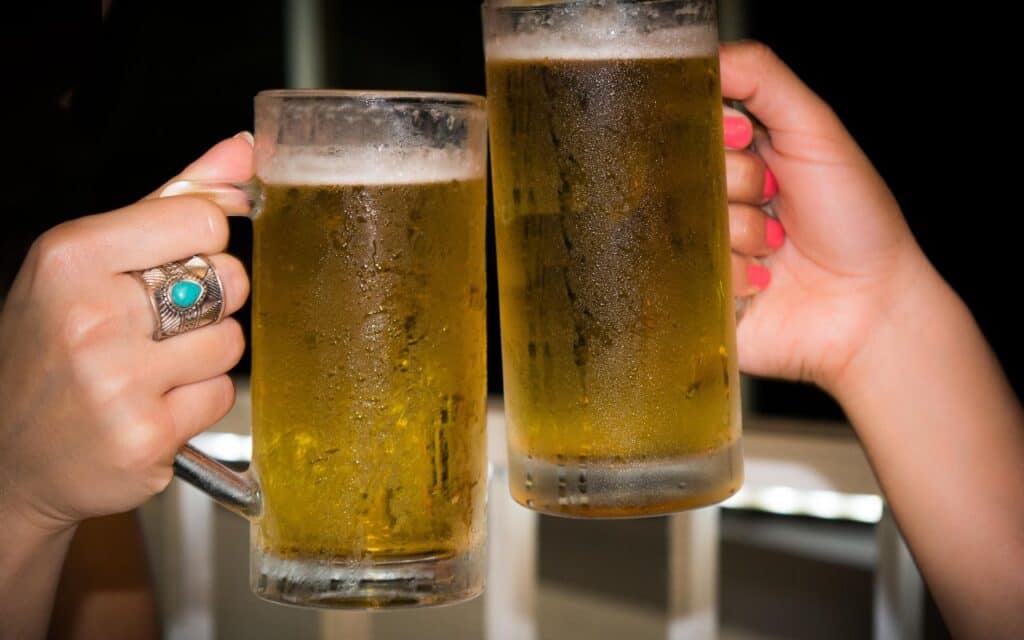
Craft beer is typically best kept cold. A considerable amount of effort is put into crafting the perfect beer, and it can be easily spoiled if it’s not stored correctly.
Craft beer isn’t just any ordinary drink; it’s a blend of science and art. Similar to wine enthusiasts, beer specialists suggest precise storage and serving temperatures to ensure that the final product retains the intended flavors and qualities.
A general guideline for storing beer is to keep it at the temperature you plan to serve it, or slightly above.The best suggestion to store your beer is store it at 3 to 5 degrees celsius temperature. If you can’t maintain these precise temperatures, don’t worry. As long as the beer is in a relatively cool, dark place and not exposed to sudden heat spikes, it should be fine. Just keep in mind that changes may occur more quickly over time.
Refrigeration is great for many beers, but certain styles should avoid it. For wild or sour ales with live yeast, refrigeration halts the beer’s aging process. Similarly, some beers like Imperial Stouts and Barley Wines improve over time, so refrigeration might slow down this development. Be cautious with beers sealed with corks, as long-term refrigeration can dry out the cork.
Finally, unpasteurized and non-bottle-conditioned beers should be kept refrigerated whenever possible. These beers lack preservatives, so they tend to deteriorate more rapidly due to oxidation if not stored in the fridge.
Also read: The Ultimate Craft Beer Glass Guide to Enjoy Every Sip of the Beer
What Happens if the Beer is Not Stored Cold
If the beer is not stored cool or stored in an open environment, when the beer gets exposed to too much oxygen, it can lead to an off taste with hints of cardboard, sherry, or vinegar flavors. While some beer styles might benefit from these flavors, they can often interfere with the intended balance and taste intended by the brewer. This process, known as oxidation, occurs when oxygen gets into the can during various stages like fermentation, maturation, pressurizing, chilling, and packaging.
Oxidation can also affect the aroma of light-colored beers. The original malt character might transform into a honey-like flavor due to the formation of the 2,3-pentanedione compound. Although this flavor might not be unpleasant, it may not always match the brewer’s intended flavor profile.
In highly humid environments with humidity levels above 70%, mold can start to develop. This can lead to rusting bottle caps or cans, deteriorating labels, and mold sticking to the bottle, especially in corked beers, which can negatively impact the beer’s flavor.
Conversely, an environment with absolutely no humidity can pose a different risk. In such cases, the corks in bottles may dry out and crack when the bottle is opened, which can also affect the beer’s flavor.
Are All Craft Beer Best Served Cold?
While it’s generally recommended to store most beer styles in the fridge, not all of them are best served as cold as possible. Some stouts and porters, for instance, can benefit from being taken out of the fridge a bit earlier. Allowing these beers to warm up to room temperature over a 20-30 minute period before drinking (around 10°C) can accentuate their malty coffee and chocolate flavors according to the consumer’s preference.
What Happens if the Beer is Too Cold?
We’ve all been tempted to toss beers in the freezer to speed up the chilling process, but forgetting about them can lead to more than just frozen, slushy beer or broken glass. It’s crucial not to let the beer get too close to 0°C, as carbon dioxide will dissolve in the beer and it won’t taste the same when it warms up again.
The Best Way About How to Store Craft Beer
So, what is the best way to store beer? Certainly, refrigerating your beers is a great way to preserve their quality. However, if you want to save space for food and still have extra beers at home, you might need to explore alternative storage options. Here are a few factors to keep in mind when considering how to store your beer.
Correct Storage
If your fridge is full and you’re looking for an alternative to the freezer, it’s best to find a cool, dark spot to store your beer. Avoid freezing the beer as it can cause it to explode when left frozen for too long. Also, consider not keeping the beer at room temperature for more than 2 hours. Craft beer is best stored in a chiller to maintain its quality. We recommend storing the beer at a temperature of 3 to 5 degrees Celsius.
Upright Position
To minimize the risk of contamination, it’s advisable to store larger beer containers, such as kegs, separately from other food items. Always keep beer containers in an upright position rather than laying them on their sides. This rule applies even when you’re aging beer in a cellar; keeping it upright and avoiding unnecessary movement is key.
Storing beer upright serves two primary purposes. Firstly, it helps to reduce the amount of beer that comes into contact with oxygen, which in turn slows down the process of oxidation within the beer. Secondly, it prevents the formation of a yeast ring, a common issue when beer is stored on its side. By storing the beer upright, the yeast settles at the bottom of the container, minimizing any impact on the beer’s flavor.
Temperature Control
Storing beer in the refrigerator is always a better choice compared to keeping it at room temperature, as light and heat can speed up the beer’s aging process. The cold environment helps to slow down this process, which begins soon after the beer is packaged. Moreover, refrigeration protects the beer from the harmful effects of UV rays and heat, even from fluorescent lighting if the beer is stored outside the fridge.
If you’ve purchased a large quantity of beer that you don’t plan to consume for several weeks or months, it’s best to store it in the fridge (not the freezer), some of the recommended storing temperatures are between 3 to 5 degrees Celsius, to preserve more of its original taste.
If you’re on the lookout for the finest craft beers from a brewery that prioritizes quality in Bali, consider giving Canard Brewing Co. a try. From the Strawberry Gose to the Session IPA, we offer the best of both worlds when it comes to brewing and ingredients. Visit the Canard website to explore more.