

A Weizenbock is more than your typical wheat beer, although it does have its German roots. Often described as the wheat version of a doppelbock, this definition falls short of capturing its true essence. It is also a complex brew that goes beyond its wheat components.
Key Takeaways
- Weizenbock is a classic German-style dark beer that combines the best wheat and yeast flavors of a Weissbier with the rich maltiness of a German Bock variety.
- Weizenbock typically has a combination of bready, malty, and toasty notes, accompanied by hints of caramel, toffee, and dark fruits like plum, raisin, or grape.
Despite its easy-drinking nature, brewing a great Weizenbock is a surprisingly intricate process. However, the effort is well worth it, considering its potential for widespread appeal that remains largely untapped.
Some beer enthusiasts view a modern Weizenbock as a fusion of a Weissbier and a doppelbock. While it contains a significant amount of wheat and utilizes top-fermenting Weiss yeast, it boasts a multi-layered maltiness and the robustness characteristic of a bottom-fermented doppelbock.
In this article, we’ll delve into the world of German-style Weizenbocks, exploring their unique profiles and characteristics. Be sure to give this piece a read to uncover the fascinating story behind the Weizenbock.
What is Weizenbock?

So, what Weizenbock is? Weizenbock is the classic German beer style that is famous for its characteristics and blends the qualities of a bock beer with those of a wheat beer. It’s known for its robust malt taste, often carrying subtle notes of banana and clove resulting from the specific yeast used during fermentation. Essentially, it’s like the “wheat” version of Bock and Doppelbock.
Some experts view the modern Weizenbock as a fusion of Weissbier and Doppelbock. It contains a significant portion of wheat in the grist and employs top-fermenting Weiss yeast, resulting in a rich maltiness and the potency typical of a bottom-fermented doppelbock.
Weizenbocks are typically brewed with a substantial amount of wheat malt, giving them a full-bodied, creamy texture. They often boast higher alcohol content compared to regular wheat beers, making them a bold and flavorsome choice for beer enthusiasts.
Traditionally, Weizenbocks are presented as dark, weighty beers that combine the best wheat and yeast flavors of a Weissbier with the rich maltiness of a German Bock variety.
History of the Weizenbock Style
The history of Weizenbock goes back even further than its creation in Munich in the 20th century. Surprisingly, the Weizenbock we know today has roots that hark back to the earliest German-style bock.
The early bocks, originating in Einbeck in the 1300s, had lower alcohol content but included wheat in their grain recipe and were fermented at cooler temperatures, serving as the true predecessors of the style. As brewing largely shifted to Munich in the 1600s, the local brewers altered the recipes and processes to align with their brewing methods. They eliminated the use of wheat and replaced the top-fermenting ale yeast with bottom-fermenting lager yeasts.
Despite its gradual decline, Weissbier remained highly esteemed until the 18th century. However, by the turn of the century, the growing popularity of dark lagers posed a threat to Weissbier.
Amid declining sales for Weissbier and the rising momentum of dark lagers, Georg Schneider stepped in to save the day. As a brewer at the royal Bavarian Weisses Hofbrauhaus in Munich during the mid-1800s, he managed to secure the right to brew wheat beers, leading to a revival of Bavarian wheat beer.
Georg Schneider and later his son, Georg III, played key roles in expanding G. Schneider & Sohn. Following Georg III’s death in 1905, his wife, Mathilde, took over the business. She was instrumental in popularizing Weissbier, lager-fermented doppelbocks, and the Weizenbock style. In 1907, the Weizen Doppelbock was introduced at the Weisse Brauhaus in Munich.
Mathilde Schneider, an exceptional German brewer, deserves recognition for her significant contributions to the brewing industry. Assuming leadership of her late husband’s brewery at just 34 years old, she oversaw substantial growth and was known for her expertise in brewing high-quality beers. Notably, she was one of the pioneering women in a male-dominated industry.
Taking note of the brewing landscape, Mathilde leveraged the renewed popularity of Weissbier and combined it with the seasonal appeal of lager-fermented doppelbocks. In 1907, the brewery launched their Weizenbock Aventius, named after Bavarian historian Johannes Aventinus.
Also read: Here Is An Introduction to Porter Beer Style
Weizenbock Style and Profile
Two main components define a Weizenbock:
- Wheat: A significant proportion of wheat is used in brewing a Weizenbock, with the German Purity Law (Reinheitsgebot) stipulating that at least 50% of the grain bill must be wheat.
- Maltiness: Since Weizenbocks are a type of Bock, they naturally emphasize malt flavors. This means that a Weizenbock boasts a distinctly rich and malty taste.
Yeast also has a critical role in the brewing process of Weizenbocks. Unlike regular Bocks that utilize a bottom-fermenting yeast strain, Weizenbocks employ a Weizen ale yeast strain. This type of yeast contributes essential flavors such as banana, clove, and vanilla.
Taste
In terms of taste, a Weizenbock typically has a combination of bready, malty, and toasty notes, accompanied by hints of caramel, toffee, and dark fruits like plum, raisin, or grape. You’ll also detect subtle banana, clove, and vanilla flavors, with the unmistakable presence of wheat.
Mouthfeel
Weizenbocks are characterized by a moderate to high level of carbonation, with a medium-full to full body that provides a creamy texture on the palate. The higher alcohol content contributes to a pleasantly mild warming sensation.
Appearance
Regarding appearance, Weizenbocks come in both pale and dark versions. Dark varieties showcase hues ranging from dark amber to dusky reddish-brown, while the pale ones exhibit shades from sun-touched golden to honeyed amber. Expect a thick, long-lasting head, which is white to slightly off-white for pale versions and light tan for darker ones. Cloudiness is common in this unfiltered style, owing to the high protein content of wheat and potential yeast sediment suspension.
Aroma
The combination of yeast, malt, and alcohol results in a distinctive and inviting aroma that is subtly complex. Malt character tends to be moderately high to high, offering a rich and enticing wheat tone of bready grain. Pale versions display a rich malt complexity with bready toastiness akin to a Helles bock, along with a sweet, grainy richness and a light toasting. Darker versions feature a deeper richness in the malt, with prominent Maillard reactions.
Find the Best Weizenbock at Canard Brewery Co.
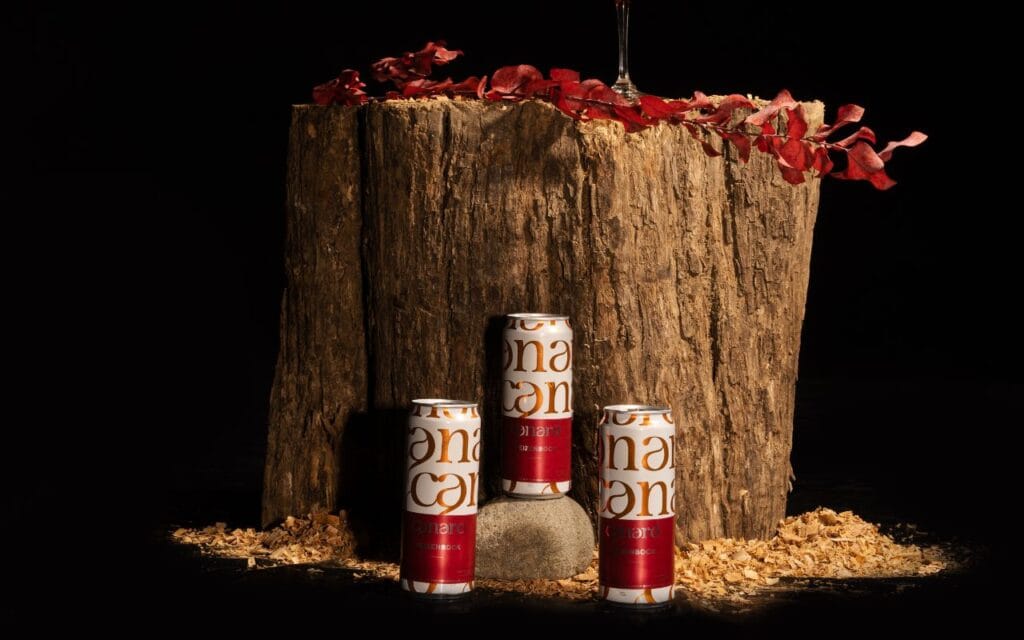
Here at Canard, we have crafted a unique Weizenbock that pushes the boundaries of rich maltiness, creamy texture, roasted aromas, caramel, and body. The outcome is a brew that boasts a thick, mousse-like consistency, characterized by a long-lasting light brown foam. The incorporation of roasty notes and a touch of hop bitterness further enriches the intricate interplay between the malt, yeast, and alcohol. Over time, our Weizenbock develops subtle sherry-like esters, reminiscent of plums, dark grapes, raisins, and fruit leather, adding to its complex and evolving character. Visit our website to find more information.
Also read: What Is Kölsch Beer: One of the Best German Style Beer
If you’re someone who relishes the art of craft beer or simply just a fan of rich, chocolatey drinks, chances are you’ve already savored the delights of a porter or stout at your favorite neighbourhood brewery. Stout may ring a bell, but let’s journey back in time to explore the precursor to stout – the venerable porter beer. In the pages that follow, we’ll embark on a journey to unearth the intriguing tale behind the creation of porter beer.

What Is Porter Beer
Porter beer, originating in 18th-century London, England, is a distinctive dark beer variety. Porters are crafted from roasted malt and are typically brewed using top-fermenting ale yeast, a process where fermentation takes place near the upper part of the fermentation tank.
Initially, porters were essentially hopped brown ales brewed with brown malt. However, as the drink gained popularity, brewers refined their techniques. These beers are renowned for their rich hues ranging from deep ruby brown to black, featuring dark malts that often impart delightful chocolate and caramel flavors, all while maintaining a well-balanced and hearty character.
Porter beer stands out among its contemporaries for its dark, robust flavors and balanced character. It typically exhibits a blend of roasted malts, chocolate, coffee, and caramel notes, making it a go-to choice for those who prefer depth and complexity in their beer. Its unique taste has earned it a special place in the world of craft beer.
Also read: Exploring The World of the Witbier, Beer with a Tasty History
Difference Between Porter and Stout
Porters and stouts share a close familial connection, with stouts possibly evolving from within the ranks of porter beer styles to form their distinct category. These two beer varieties exhibit a host of similarities, notably their dark brown-to-black color which tends to be rich and opaque, but not cloudy. Both typically begin their brewing journey with a foundation of pale malt, subsequently enriched by the inclusion of dark malts, notably crystal, chocolate, and black malts.
While stouts often introduce roasted barley into the mix, porters typically steer clear of this ingredient. Moreover, stouts tend to exhibit a heartier and thicker profile compared to porters, contributing to their distinctive character.
Fascinatingly, both porter and stout styles offer brewers a canvas for experimentation with adjuncts, providing opportunities to infuse additional layers of flavor. While chocolate, coffee, and vanilla are recurrent choices, some innovative brews venture into realms where oatmeal, fruits, honey, maple, nuts, and an array of other flavor-enhancing ingredients elevate the taste experience, resulting in a diverse and dynamic range of brews.
Also read: What Is a Session IPA? Everything You Need to Know About Session IPAs
How To Serve Porter Beer

Porter beers are at their finest when served at temperatures ranging from 10 to 13 degrees Celsius, and porters align perfectly with this ideal. To achieve these “cellar temperatures,” store your bottles in a cool place, but avoid placing them in the refrigerator for the ultimate drinking experience.
When it comes to selecting the perfect vessel for enjoying porter, Nonic pint glasses are preferred. These bulbous, tall glasses not only showcase the aromatic qualities of the brew beautifully but also make sipping a breeze. For American imperial porters, consider using stemmed tulip glasses.
Porters offer a rich and intricate medley of subtle flavors, making them a splendid choice for solo sipping. Nevertheless, these brews harmonize delightfully with nearly any meat dish, an array of cheeses, and a variety of desserts.
Finding the best-brewed beer is a tough one. The search for the best beer takes a long journey until you find the right ones for you. But now, we recommend Canard Beers for a pleasure seeker like you. Try our best-brewed beer here.